Growing Beyond the Prototype
The ecosail Karlsruhe team, a student-led initiative at Karlsruhe University of Applied Sciences, enters 2026 with renewed momentum. Building on last year’s foundation, the team continues its journey in the SuMoth Challenge — where innovation, engineering excellence, and ecological responsibility converge.
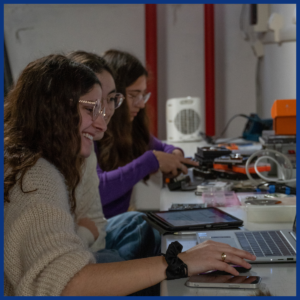
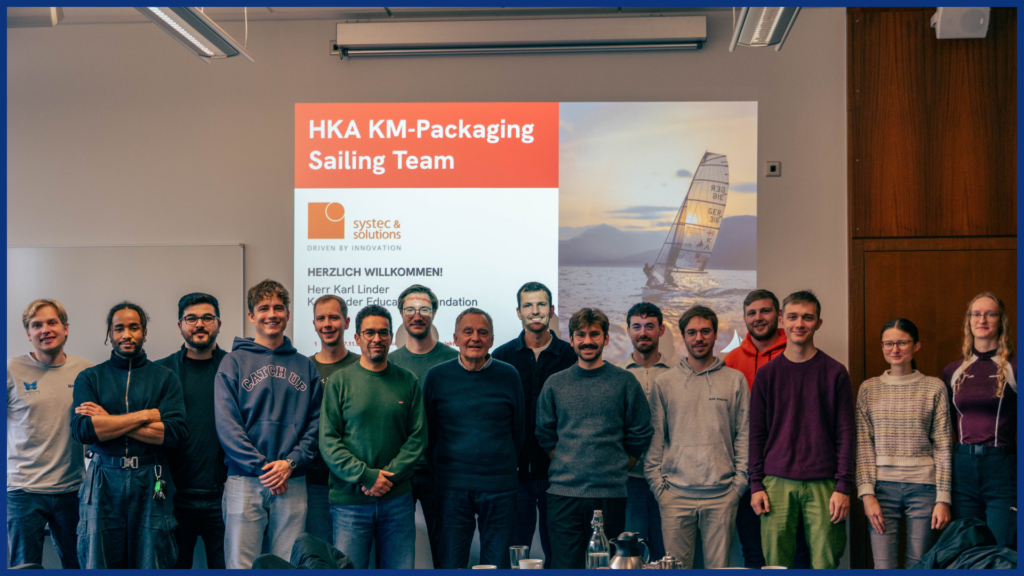
What began as a small group of 10 pioneers has rapidly evolved into a team of nearly 50 motivated students. This growth marks more than just numbers; it reflects rising interest, stronger interdisciplinary collaboration, and an expanding ambition to shape sustainable sailboat design.
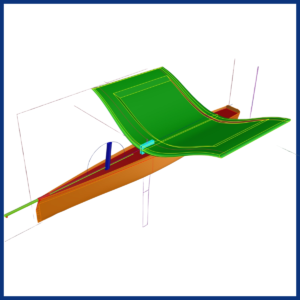
After a thorough evaluation of last year’s prototype, the team identified structural and technical limitations. Rather than iterate incrementally, ecosail Karlsruhe chose a bold path: designing and building a completely new SuMoth for 2026. This clean-sheet approach allows lessons learned to directly inform a lighter, faster, and more sustainable vessel.
Structured for Performance
To manage this ambitious undertaking, the team reorganized into specialized sub-teams:
- Hull & Deck – Structural integrity and weight reduction
- Wings – Aerodynamic efficiency and sailor ergonomics
- Gantry – Engineering the critical rear structure for the rudder
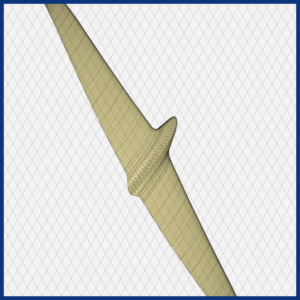
- Mast & Rigg – Developing a lightweight yet powerful sail plan
- Running Rigging – Optimizing control systems for efficient handling
- Electronics & Sensorics – Integrating real-time performance monitoring
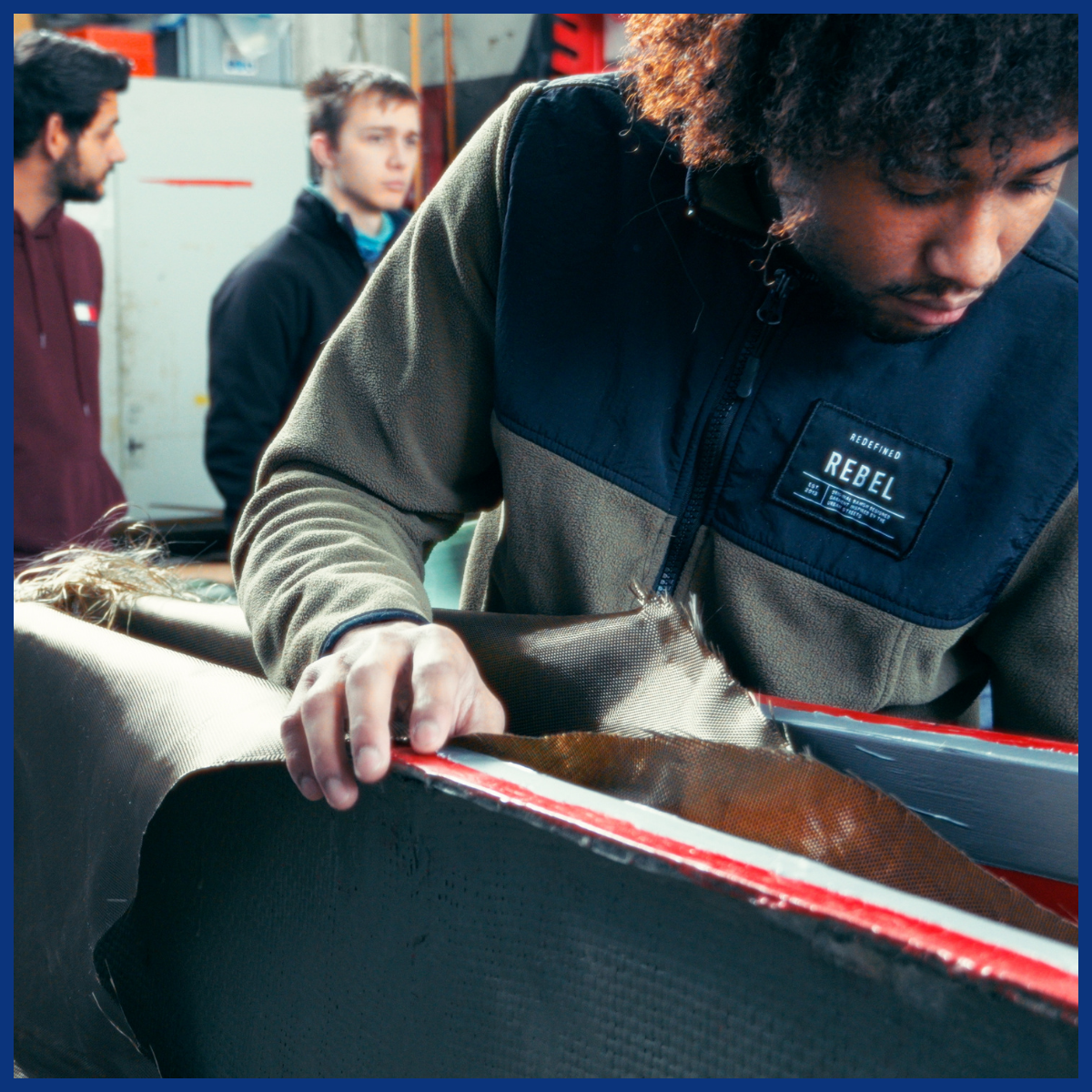
- Painting & Design – Combining eco-friendly finishes with a strong visual identity
This structure mirrors professional sports organizations, ensuring clear responsibilities and efficient coordination. Tobias Lauerbach leads the team as Captain, supported by Co-Captain Lukas Ditengou. Many new members are discovering sailing for the first time, and their fresh perspectives are fueling creative engineering solutions.
Lessons from Lake Garda
Looking back, the 2025 competition at Lake Garda marked a defining chapter. Seeing their first self-built Moth sail — and ultimately lift onto its foils — was a powerful validation of months of dedication.
While final rankings did not fully meet expectations, the event proved the technical feasibility of their concepts. More importantly, the international exchange among student teams fostered a collaborative spirit around sustainable maritime technology.
The experience revealed both strengths and areas for improvement. Armed with these insights, ecosail Karlsruhe is now focused on delivering a faster, more reliable, and even more sustainable boat for 2026.
The One-Year Build Challenge
As the team advances through the S2 and S3 stages of the SuMoth Challenge, the project enters its most demanding phase.
Designing and manufacturing a race-ready foiling Moth within twelve months is a formidable challenge. Every sub-team — from Gantry to Sensorics — must work in precise synchronization. Moving from concept to a competitive physical boat within such a compressed timeline requires disciplined project management and seamless technical integration.
At the same time, the academic semester transition introduces additional organizational complexity. Leadership roles evolve, new students step into responsibility, and knowledge transfer becomes critical to maintaining momentum.
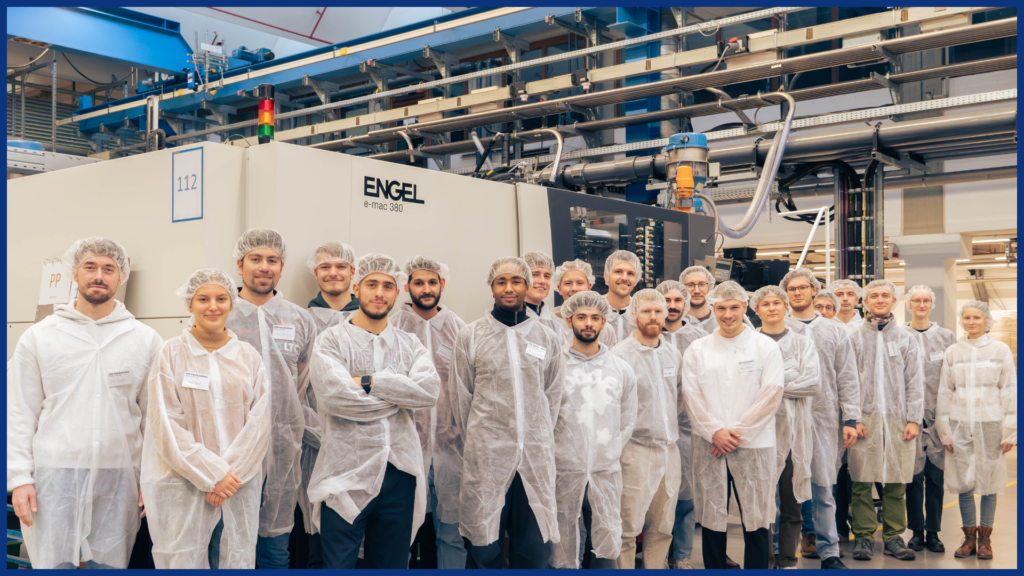
Yet, these pressures are embraced as part of the learning journey. Managing a high-performance engineering project under real-world constraints is precisely what prepares the team for the future.
Focused on 2026
Despite tight timelines and structural complexity, ecosail Karlsruhe remains determined. The goal is clear: to see their innovative, sustainable clean-sheet design cross the finish line in 2026 — faster, stronger, and more refined than ever before.