When SuMoth teamed up with IMOCA for the ScaleUp workshop, the goal wasn’t a demonstration. It was a real test: could the sustainability-first design process behind the SuMoth Challenge tell a professional ocean-racing class something useful about how it actually builds its boats?
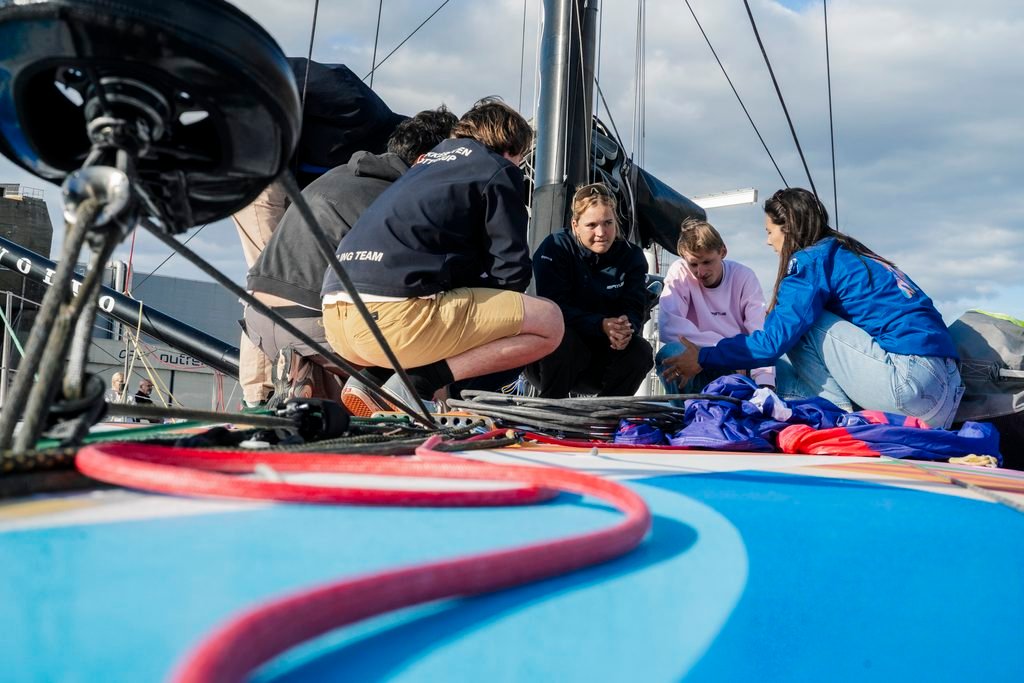
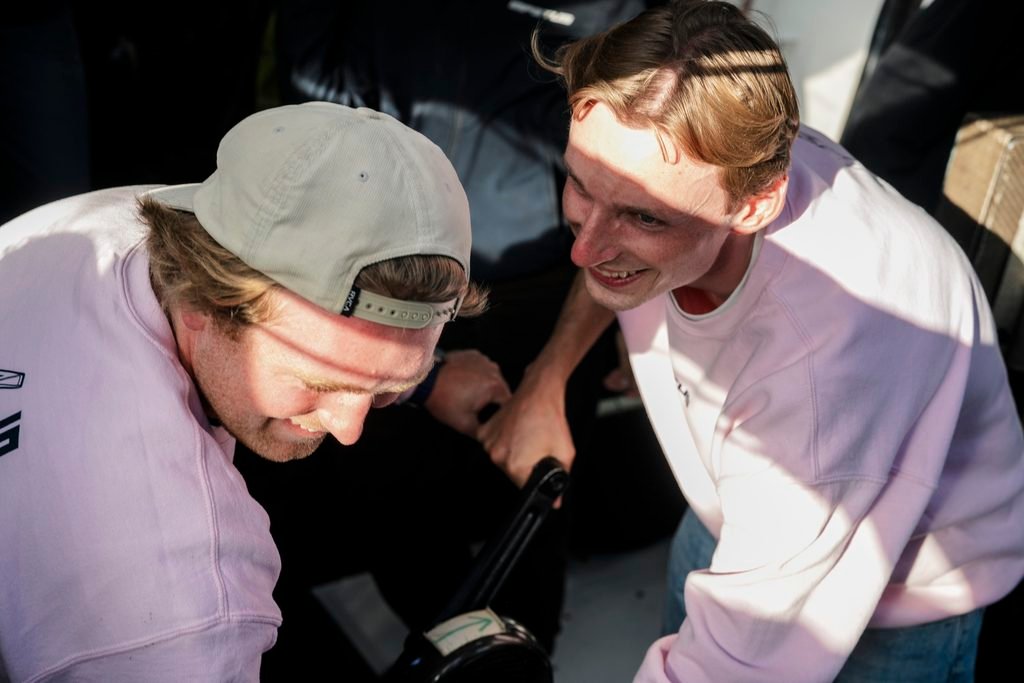
The answer arrived over three days in Lorient. It started with the photo-finish arrival of The Ocean Race Atlantic fleet at Lorient La Base, then rolled straight into two intense days of engineering: the first ScaleUp workshop, September 11 and 12. Sixteen SuMoth students, drawn from six SuMoth Challenge teams across Europe — ESTACA WAVE SuMoth Team, Polito Sailing Team, PoliMi Sailing Team, Chalmers Formula Sailing Team, Sapienza Foiling Team, and Impetus Sailing Team — were mixed into new teams for the occasion. Most had never worked with their teammates before arriving at La Base.
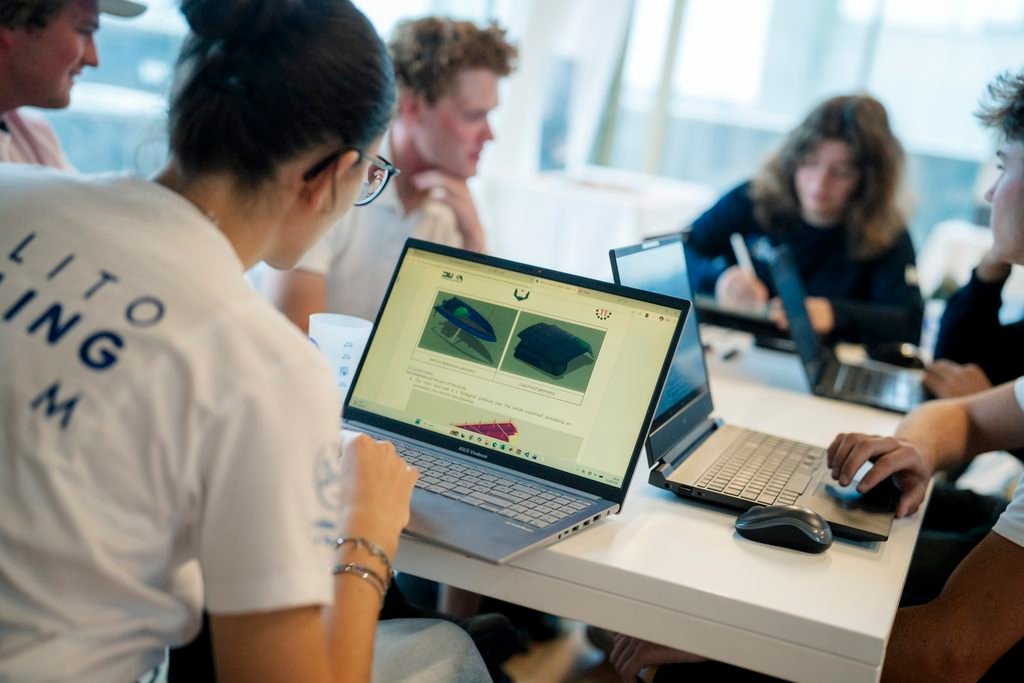
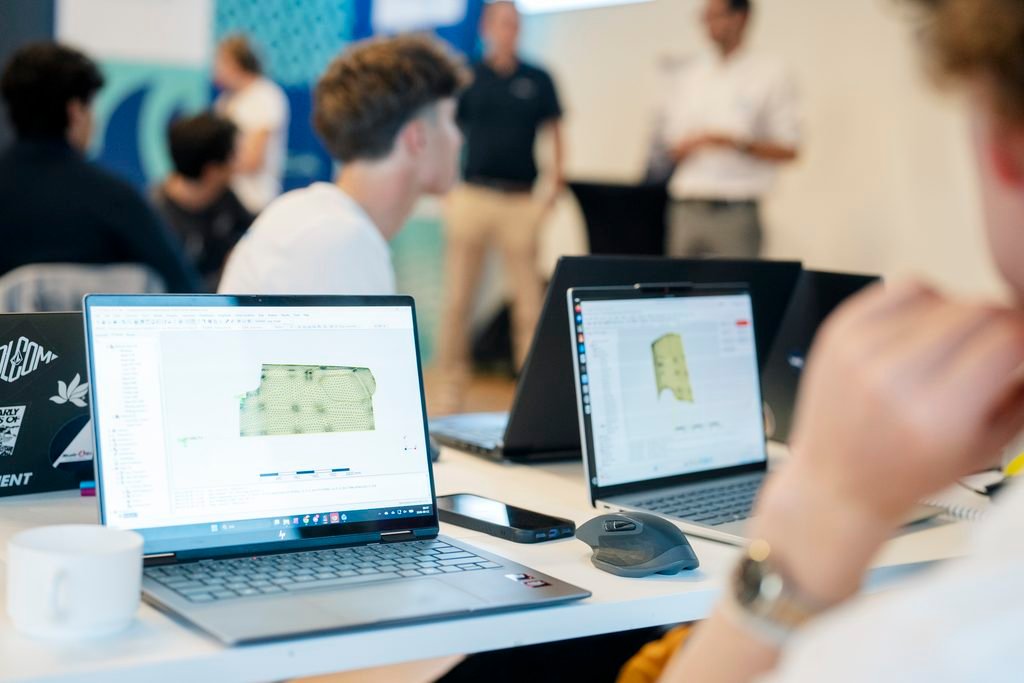
Their brief: take on a real IMOCA component, the coachroof, and turn it into a design and manufacturing concept, not a built part, but one detailed enough to be judged as if it were headed into production. Each team had roughly twenty hours. That meant FEM structural analysis using open-source software to prove the geometry could carry real loads, and a full MarineShift360 life-cycle assessment to quantify what it actually costs the planet, on top of the design work itself.
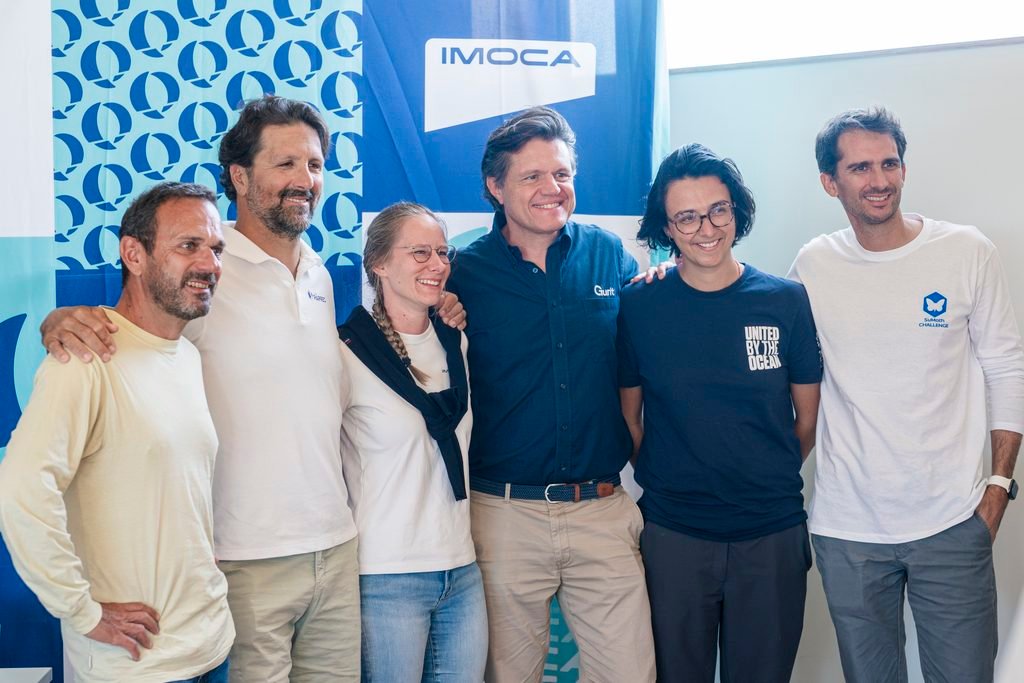
The jury
The results went to a jury spanning IMOCA’s class and technical teams, Gurit, and MarineShift360: IMOCA’s Marie Van Den Heede, Gurit’s engineering chief Paolo Manganelli, MarineShift360’s Lizzy Howard, Paprec skipper and 2024-’25 Vendée Globe runner-up Yoann Richomme, United by the Ocean’s Alizée Vauquelin, Arnaud Cacquevel of Bretagne Next, and SuMoth’s own Bruno Giuntoli.
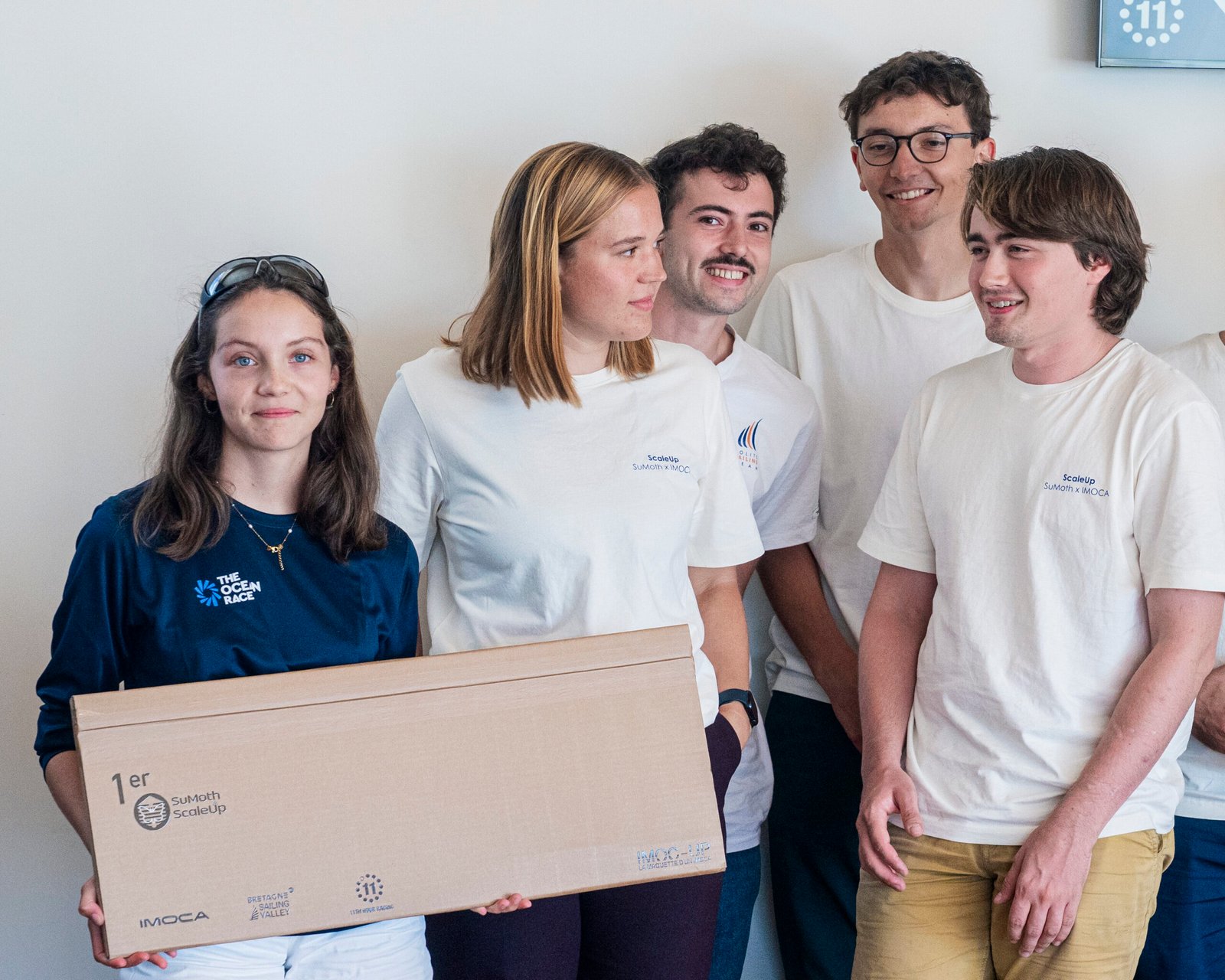
The winning concept: SuSkeletton
The standout was team SuSkeletton: Solvej Betting (TU Munich), Giacomo Cafarchia (Politecnico di Torino), Benjamin Godart (Centrale Nantes), Felix Wichert (Chalmers), and Juliette Lagadic (ESTACA). Their coachroof combined a partially bio-based Gurit resin and a recycled-PET core with basalt and carbon fibre, kept only where the structure’s loads actually demanded it. The mould was planned around large-scale additive manufacturing, a technique the team already uses on its own SuMoth boat.
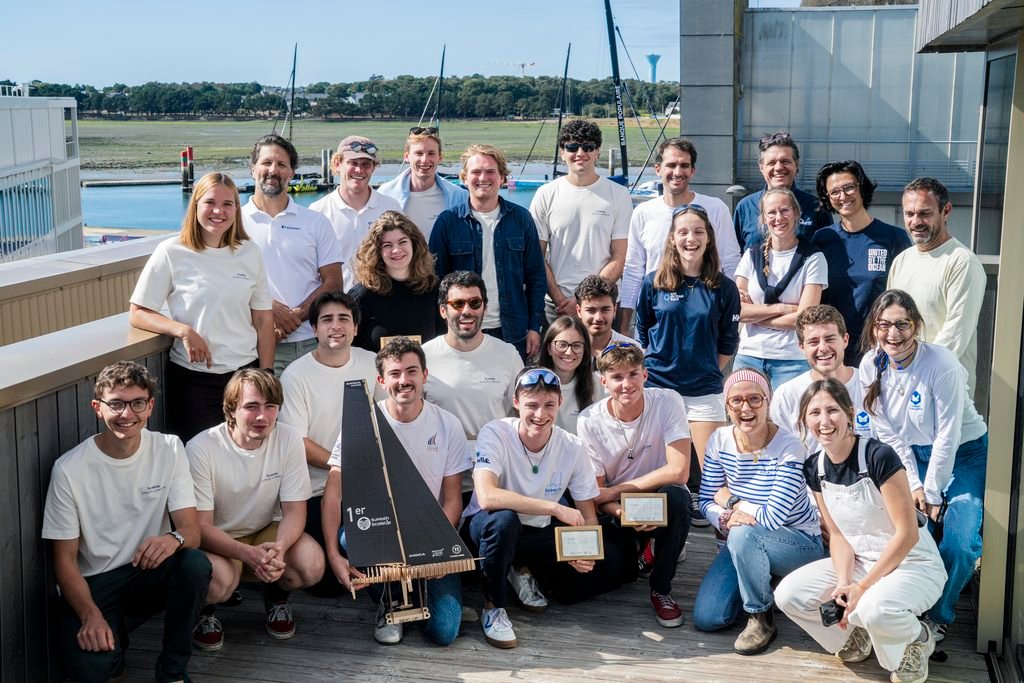
The rest of the field
The other five teams pushed in their own directions. One, including Arthur Edmond of ESTACA, proposed a cork-based core for their coachroof, drawing directly on lessons from their own SuMoth builds.
“We all made a few mistakes when building our respective boats for the last SuMoth, so we know that certain approaches don’t lead anywhere. That means we can quickly identify the right direction to explore.”
— Arthur Edmond, ESTACA
Between them, the six teams covered a genuinely wide spread of materials and manufacturing approaches, which is exactly the point of putting this many independent teams on the same brief at once.
Beyond the workbench
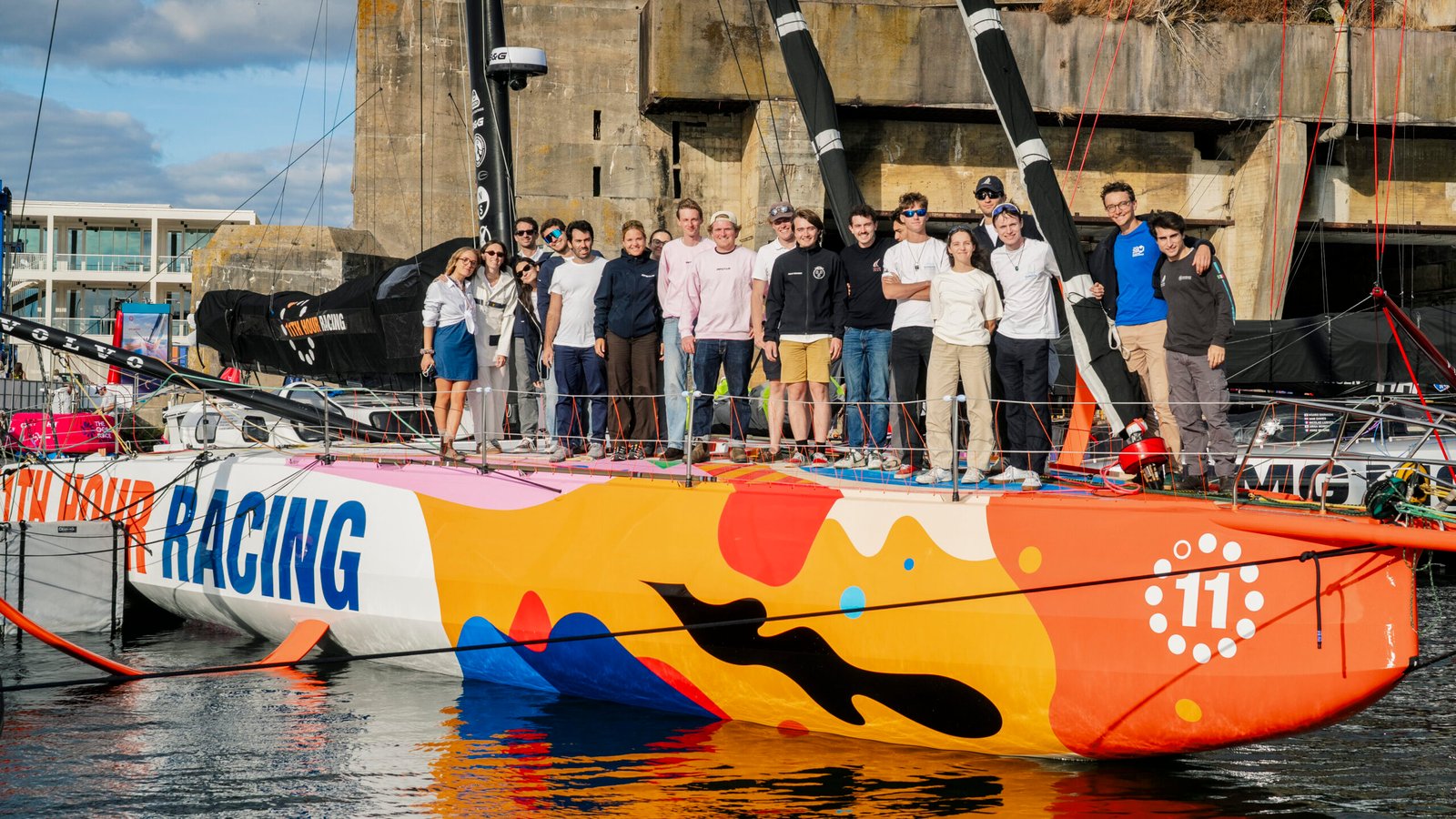
The workshop also welcomed mentees from The Magenta Project, IMOCA’s programme with 11th Hour Racing for developing women’s leadership in ocean racing.
Team Francesca Clapcich, Powered by 11th Hour Racing, hosted the teams for a boat visit and sailing session aboard an IMOCA.
Why it matters
SuMoth exists to give students a place to fail fast, with virtually no consequences, before those risks follow them into their first jobs in the marine industry. ScaleUp put that same approach directly in front of the class it’s ultimately meant to influence. The result argues for itself: sustainability doesn’t have to slow engineering down when it’s a condition from day one, not an afterthought.
This was the first edition of ScaleUp. Based on what six teams put together in twenty hours each, working entirely with people they’d just met, SuMoth and IMOCA are already looking at how to build on it for the next one.