Where it started
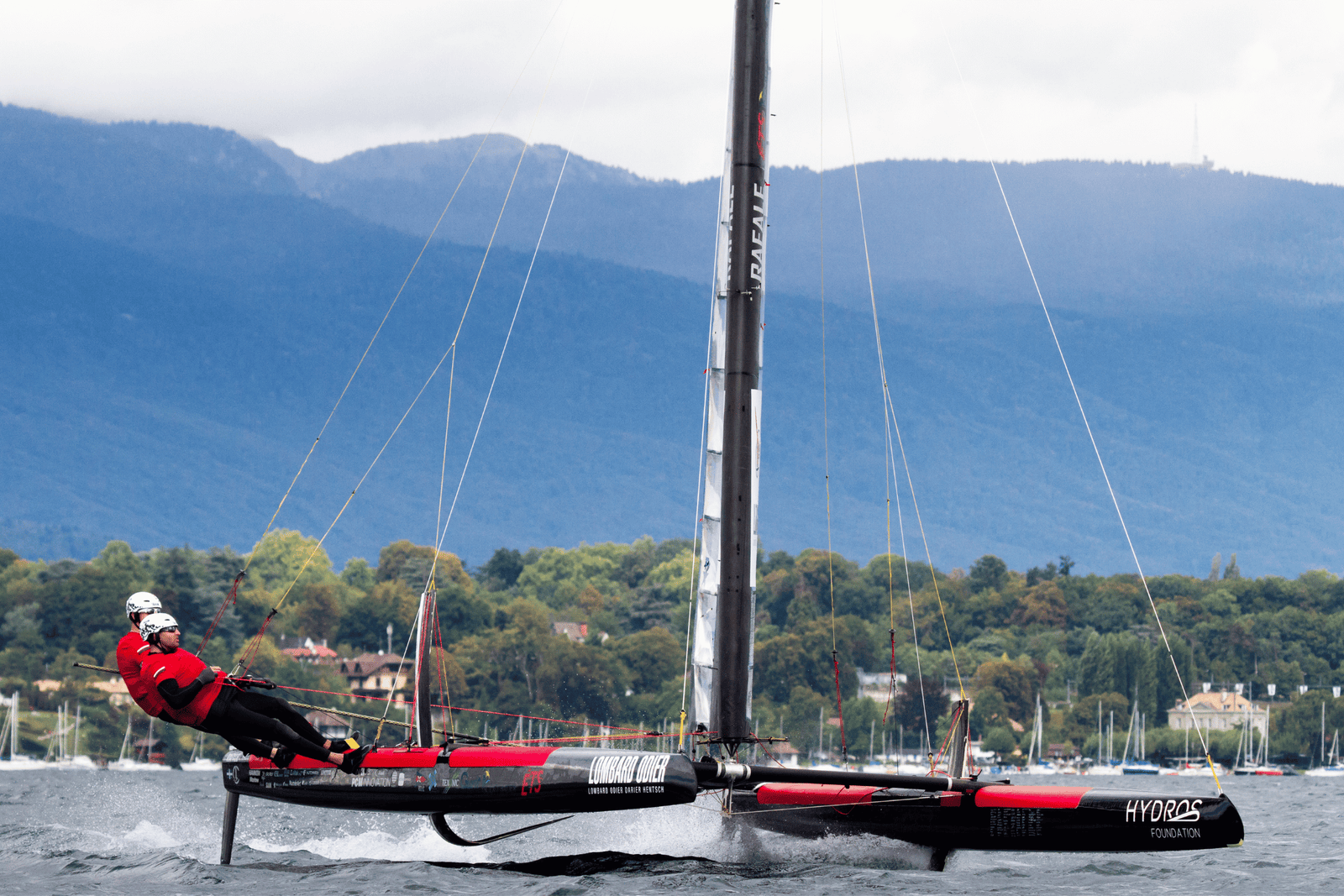
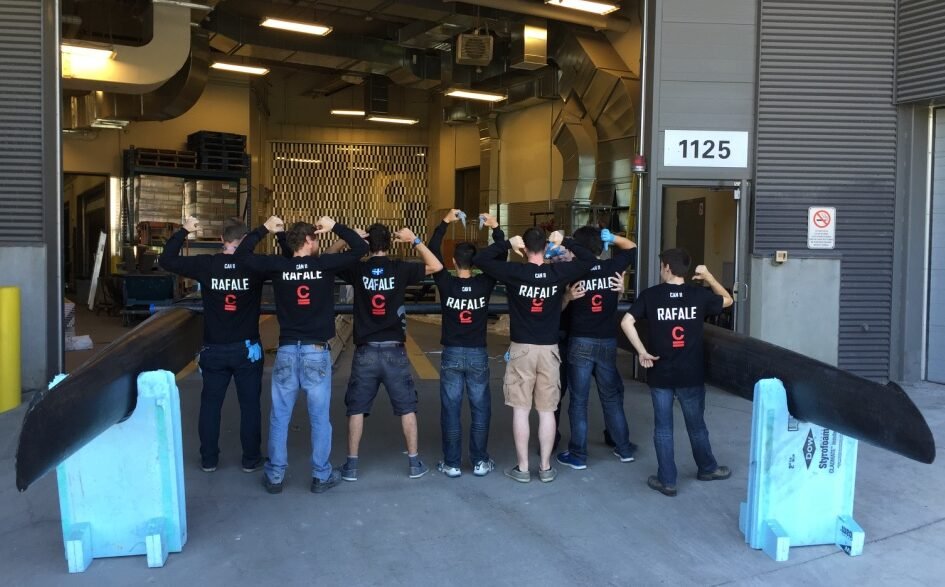
The idea for SuMoth started with a C-Class catamaran, not a classroom. In 2015, a small student team from Montreal, Quebec, Rafale ETS, became the first and only team to design, build, and race a rigid-wing C-Class foiling catamaran at the Little Cup, on a fraction of a professional budget, going up against America's Cup teams like Groupama preparing for the 2017 Cup.
That project exposed two gaps at once: universities weren't built to let students engineer at that level, and high-performance sailing wasn't built to ask what any of it cost the planet. Based on that experience, Bruno Giuntoli decided to build something that closed both, permanently. Launched in 2018, the first edition raced in 2019 with five international teams, designed from day one to treat sustainability as an engineering constraint, not an afterthought.
Why it matters
The SuMoth Challenge envisions a world where classroom theory meets real-world innovation. By guiding teams through cycles of design, building, and testing, it pushes students to the limits of performance while embracing sustainable practice.
It works because it's a sandbox: a place to fail fast, with none of the consequences a mistake would carry later in a real career. The framework is proven, sharpened by every edition before it, so each project adds to a shared, growing body of knowledge instead of starting from zero.
Vision, Objectives & Impact
Vision. — The missing link
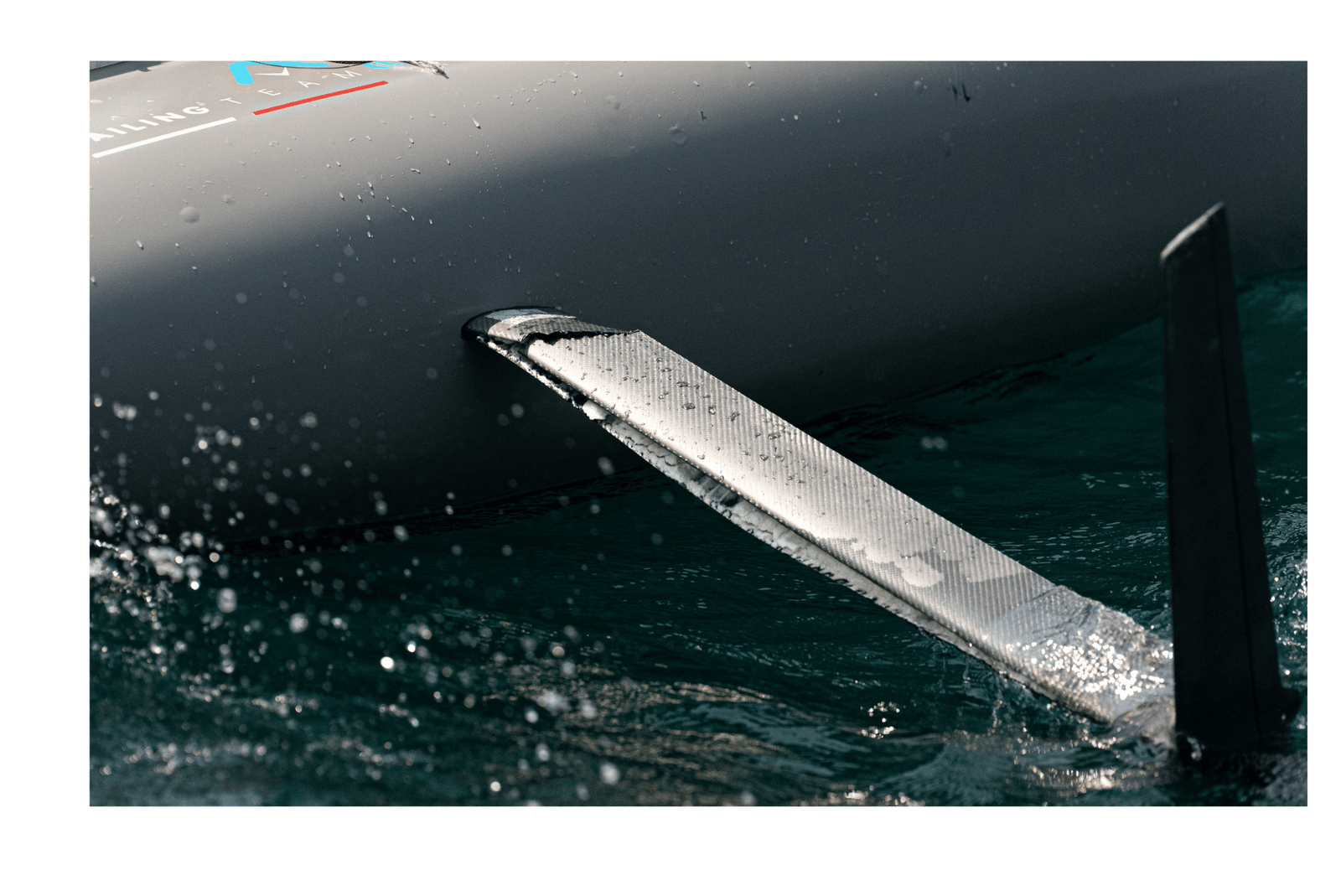
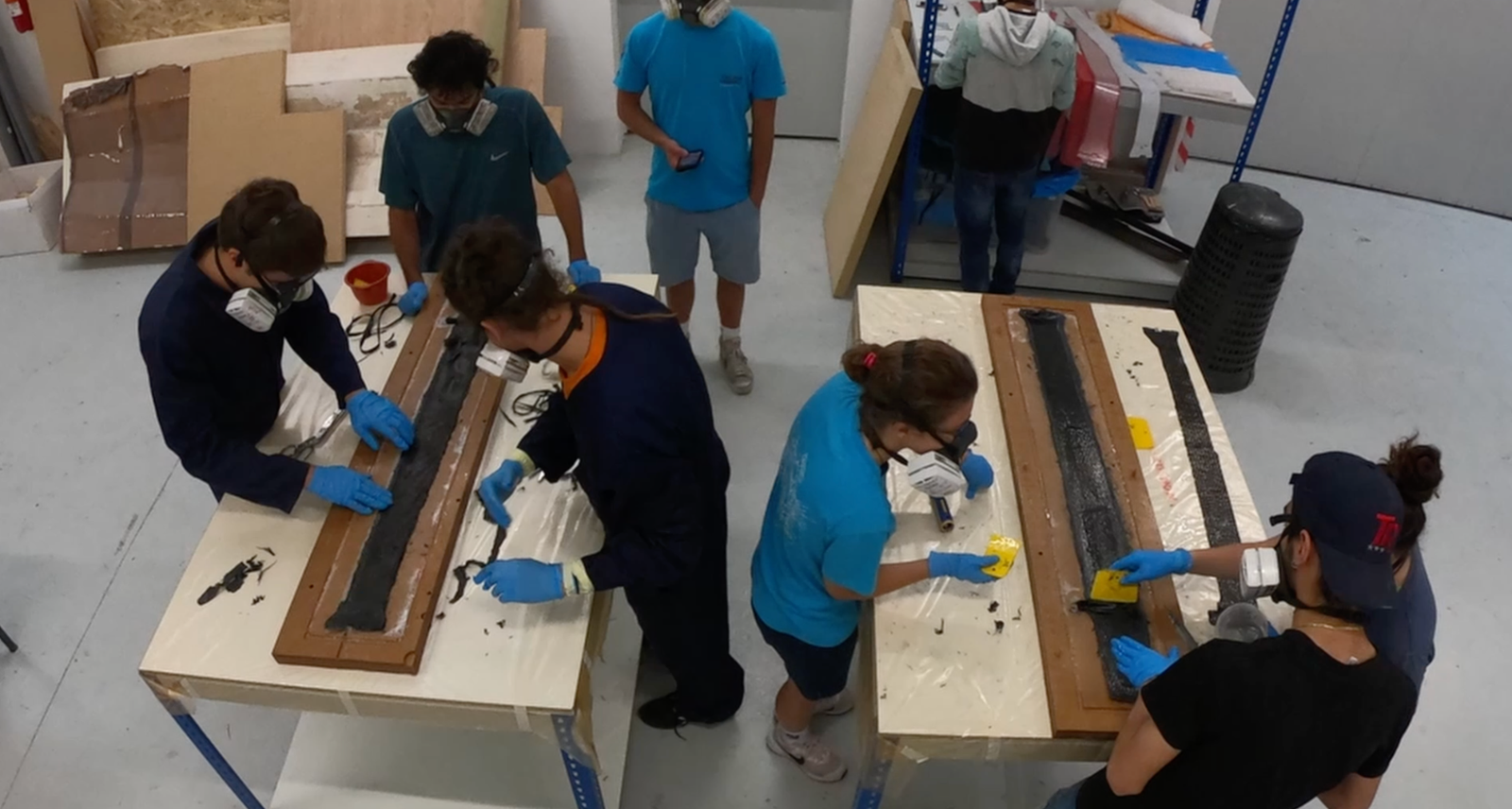
Theory means nothing until it's wet. A classroom can teach the physics of a foiling hull, but it can't teach what happens when a laminate schedule that looked perfect on paper fails on the water. SuMoth closes that gap by putting students through the same design-build-test cycle they'll run for the rest of their careers, years before a real employer is watching. It's the missing link between what a curriculum covers and what the job actually demands.
Objectives. — Built to outlast the race
Every boat is designed knowing it won't end at the finish line. Teams plan upfront for what happens after the race: what gets reused, what gets recycled, what still holds up next season under someone else's ownership. That means sustainability decisions get made at the same table as performance decisions, not after them. Longevity becomes a design requirement, not a line added at the end.
Impact. — More than a competition
SuMoth is more than a competition, it's a collaborative research platform where ideas get tested and technologies get validated under real racing pressure, not in a lab. Every team's results and reports go into a public archive after the event, so next year's teams don't start from zero, they start from wherever the last edition left off. Over time, that compounding record becomes the real product: a shared, growing body of knowledge the whole industry can draw on.
Who runs it
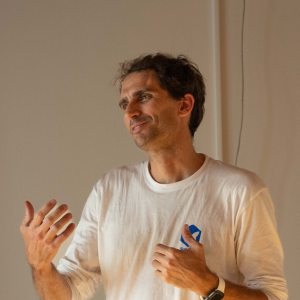
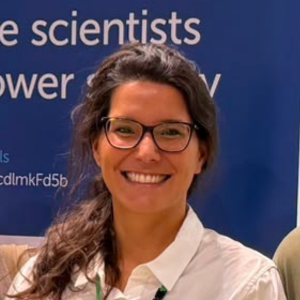
SuMoth is run by SuMA+ (the SuMoth Association), a Swiss non-profit co-founded by Bruno Giuntoli and Catarina Marciano Alves. SuMA+'s mission reaches beyond the Challenge itself: building open-source platforms that accelerate the path to a more sustainable future. Bruno started the Challenge and directs it; Catarina is a bioengineer with a background in biofuels and sustainable agronomy, and shaped the rulebook that makes sustainability an engineering constraint rather than a talking point. Each edition is delivered alongside a host club, an on-water jury of specialists, and the partners who back the mission.